Do-Not-Call Lawyer in West Virginia: A Comprehensive Analysis
Introduction
In the United States, the Do-Not-Call (DNC) registry is a list that consumers can add their telephone number to in order to opt out of receiving telemarketing calls. This system has been instrumental in protecting consumer privacy and reducing unwanted calls. In West Virginia, the implementation and interpretation of these laws have led to unique legal considerations. This article delves into the intricacies of the Do-Not-Call lawyer's role within this context, exploring its implications, global impact, economic considerations, technological advancements, policy frameworks, challenges, case studies, and future prospects.
Understanding Do-Not-Call Lawyer in West Virginia
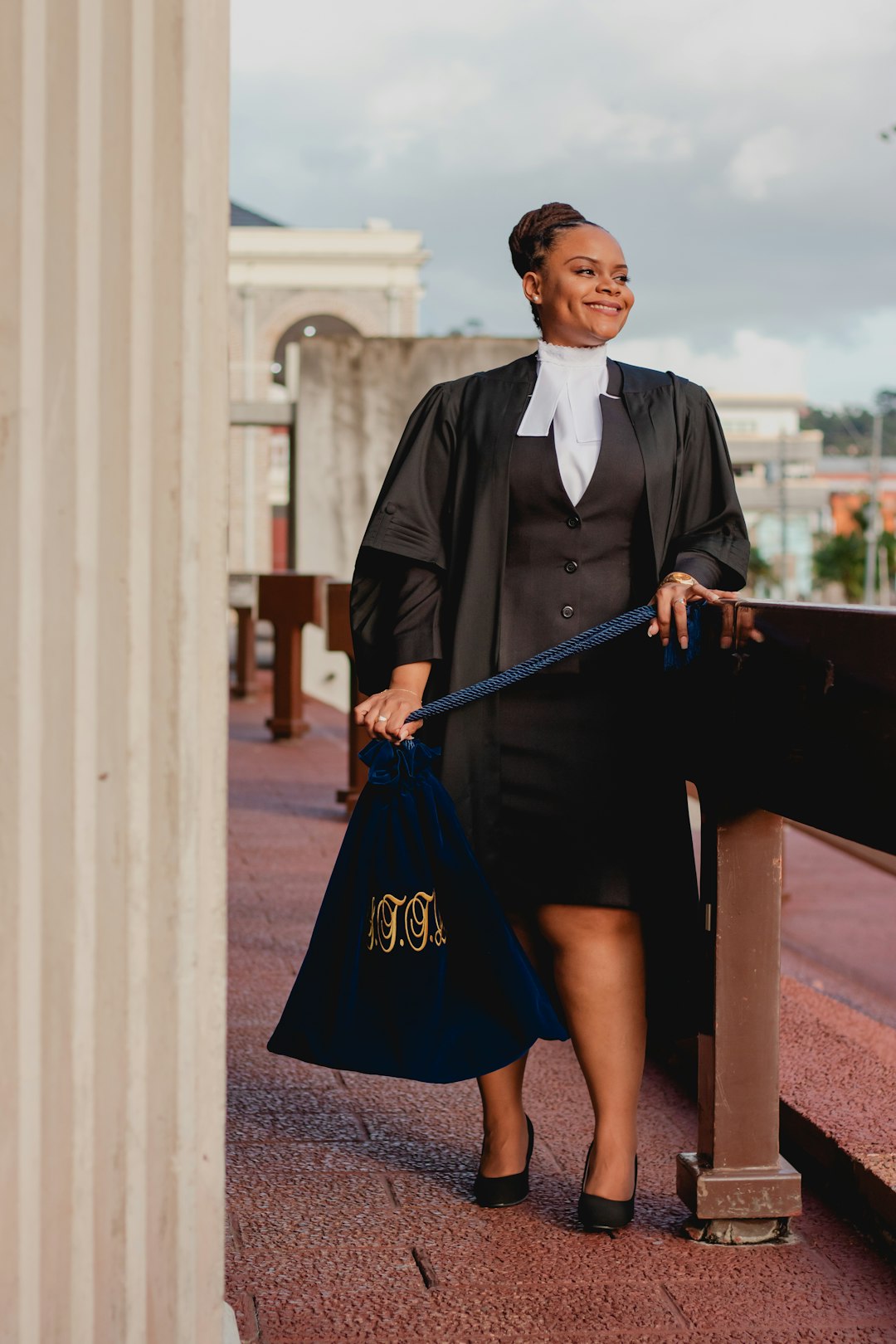
The Do-Not-Call Lawyer in West Virginia specializes in advising clients on their rights under the Telemarketing Sales Rule (TSR) and the related Do-Not-Call registry. These attorneys are well-versed in the specific nuances of federal and state laws that govern telemarketing practices. They help clients navigate complaints, legal actions, and compliance with the DNC list, ensuring that individuals' privacy is safeguarded.
Historically, the Do-Not-Call registry was established under the FCC's Telemarketing Sales Rule, which came into effect in 2003. Since then, the role of Do-Not-Call lawyers has evolved alongside changes in telemarketing technology and practices. Their expertise is crucial in a state like West Virginia, where the telecommunications industry, particularly in areas such as Charleston and Morgantown, plays a significant economic role.
Global Impact and Trends
The Do-Not-Call registry has influenced similar opt-out mechanisms worldwide, demonstrating the global demand for consumer protection in direct marketing practices. In regions like Europe and parts of Asia, equivalent regulations have been enacted, reflecting a growing international consensus on the need to balance legitimate business interests with individual privacy rights.
Trends indicate an increasing reliance on artificial intelligence (AI) and machine learning to improve compliance with DNC lists, as well as a surge in legal challenges related to telemarketing practices. The global impact of these trends is significant, as they shape the future of consumer-business interactions.
Economic Considerations
The economic implications of Do-Not-Call regulations are multifaceted. On one hand, these laws protect consumers and reduce operational costs for businesses that comply with them. On the other hand, non-compliance can lead to substantial fines and reputational damage. In West Virginia, where many residents rely on the telecommunications industry for employment, the economic health of this sector is directly tied to its adherence to Do-Not-Call laws.
Market dynamics reveal that businesses have adapted by investing in consumer data analytics and alternative marketing strategies that do not involve cold calls. This shift has created new opportunities within the digital marketing space, impacting job creation and skill development trends.
Technological Advancements
Technological advancements have significantly affected how Do-Not-Call laws are enforced. Automated dialling systems have been developed to detect and avoid calling numbers on the DNC list. AI-driven analytics tools now predict compliance risks for companies, which helps in preventing violations before they occur.
Looking ahead, we can expect even more sophisticated technologies to further enhance the effectiveness of Do-Not-Call enforcement, potentially including blockchain for secure registry management and AI for real-time monitoring of calling activities.
Policy and Regulation
The legal framework governing Do-Not-Call compliance is robust, with both federal and state regulations playing a role. The FCC's TSR is complemented by West Virginia's specific statutes, which together form a comprehensive regulatory environment. These policies protect consumers from invasive telemarketing while providing clear guidelines for businesses to follow.
The Federal Trade Commission (FTC) and the Federal Communications Commission (FCC) work in tandem to enforce these regulations, with state attorneys general also playing a role in oversight and enforcement. This collaborative approach ensures that Do-Not-Call laws are consistently upheld.
Challenges and Criticisms
One of the primary challenges faced by Do-Not-Call lawyers is keeping up with evolving telemarketing practices, particularly as they relate to digital communication channels. Additionally, there are ongoing debates about the balance between consumer protection and business rights, with some arguing that overly strict regulations can stifle legitimate commercial activities.
To address these issues, Do-Not-Call lawyers advocate for clearer guidelines, better enforcement mechanisms, and continued technological innovation to improve compliance rates. They also work to educate both businesses and consumers about their rights and responsibilities under the current laws.
Case Studies
Several case studies illustrate the successful application of Do-Not-Call regulations in West Virginia. For instance, a Charleston-based company faced significant fines after failing to comply with DNC rules. With the guidance of a specialized Do-Not-Call lawyer, the company revamped its marketing strategies and improved its compliance systems, avoiding future legal issues and maintaining a positive reputation.
Another case study highlights a consumer who, with the help of a Do-Not-Call attorney, successfully sued a persistent telemarketer, leading to a change in practices that benefited the wider community. These real-world examples underscore the importance of legal expertise in navigating Do-Not-Call compliance issues.
Future Prospects
The future of Do-Not-Call laws and their enforcement is likely to involve greater integration with emerging technologies, such as AI and machine learning, to ensure higher levels of compliance. There may also be an expansion of consumer rights within this realm, as well as increased coordination among international regulatory bodies to create a uniform standard for opting out of unwanted calls globally.
As the telecommunications industry continues to evolve, Do-Not-Call lawyers in West Virginia and beyond will play a crucial role in adapting laws and practices to new challenges, ensuring that consumer rights are upheld while allowing businesses to thrive in a competitive marketplace.
In conclusion, the Do-Not-Call Lawyer's role in West Virginia is complex and evolving, with significant implications for both consumers and businesses. The intersection of law, technology, and policy in this area continues to shape the landscape of consumer protection and telemarketing compliance. As we look to the future, it is clear that the ongoing adaptation to technological advancements and the harmonization of global regulations will be key to navigating the challenges and opportunities presented by Do-Not-Call laws.
September 10, 2025
Do Not Call Lawyer West Virginia Expert
In Martinsburg and online, data privacy is at risk from identity theft and targeted ads. VPNs encrypt internet traffic, mask IP addresses, and provide anonymity, protecting users' digital footprints from corporate trackers, ISPs, and government surveillance without the need to call lawyers WV........
Read more →